

ZAV
23 • Jerusalem
Browse Profiles Under 40
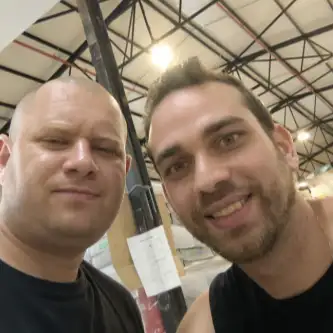
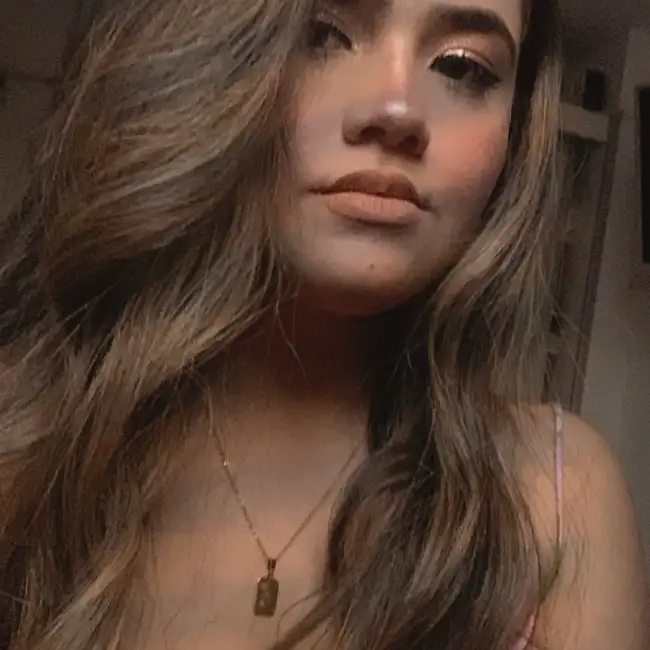



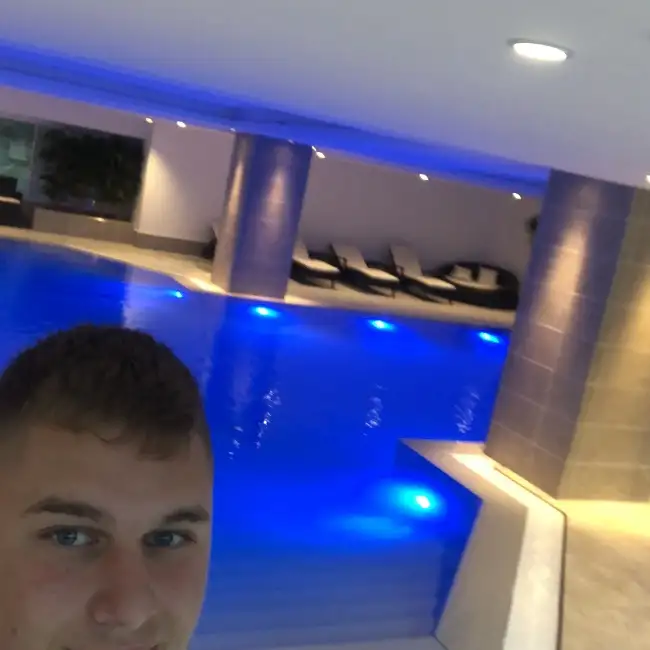

This page brings together DateLy profiles whose selected marital-status category is married and who are under 40. That gives you two useful pieces of context before you open a profile, but it does not tell you why someone is here or what kind of relationship they want. Those details belong to the individual profile and, when there is mutual interest, to the conversation itself.
People with the same marital status can have very different circumstances, schedules and expectations. It is better to start with what a person has chosen to say about themselves than to fill in the gaps for them.
Marital status is relevant information. Keeping it accurate gives another person the context they need to decide whether they want to continue the conversation. At the same time, being clear does not mean publishing the private details of your marriage or explaining another person's life.
A strong profile does not need to explain every part of your personal situation. Recent photos, a general location, a few specific interests and a straightforward description of what you are open to are enough to make the profile understandable. If there is something important that would affect another person's decision to keep talking, it is better to be clear about it than to leave them guessing.
Try to avoid generic lines that could belong to anyone. A real detail about music, food, exercise, travel, work-life routine or weekends makes it easier for someone to start a normal conversation.
DateLy lets you browse profiles and use available age and location information to narrow what you see. This page already focuses on the married category under 40, which can make the first round of browsing more relevant to the purpose of the page.
Age and location are useful starting points, not a compatibility test. Open the profile, read what the person has written and look for something that actually interests you before deciding whether to make contact. If you want to see the broader married category without this age limit, you can also visit Dating for Married People.
A first message does not need to begin with questions about someone's marriage. If a profile mentions a concert, a trip, a restaurant, a sport or a hobby, that is usually a more natural place to start. One specific question gives the other person something easy to answer and makes the conversation feel less like a screening process.
If the conversation continues, expectations and boundaries can be discussed directly. People in the same category may want very different things, so it is more useful to ask than to assume.
DateLy supports text communication as well as voice messages. Voice can add tone, humor and personality once a conversation is underway, but it is worth noticing how the other person prefers to communicate. A short voice message can feel personal; a stream of recordings before there is any rapport can feel like too much.
Users who want to can add a short profile video. It can show voice, expression and manner of speaking in a way that a still photo cannot. The video is recorded content displayed on the profile. It is not live video chat, a live call or streaming, and there is no need to use it if photos and text suit you better.
Work, family, children, travel and other commitments can make availability just as important as attraction. Two people can enjoy talking and still discover that their schedules rarely overlap or that the distance between them is difficult in practice. This is why age, area and ordinary day-to-day availability are worth considering early without turning them into a rigid checklist.
There is also no need to reject someone automatically because they live in a nearby city. If the conversation is good, a simple discussion about time and distance can tell you more than the map alone.
No online service can promise absolute confidentiality. A practical approach is to share information gradually. A general area is usually enough at the beginning; an exact home address or workplace can wait. Do not send passwords, verification codes, financial information or identity documents to someone you have only recently met online.
Third-party privacy matters too. Avoid publishing names, school details, workplaces, routines or other identifying information about people who are not part of the profile. For broader guidance, see DateLy's online dating safety guide and privacy information.
A first meeting can be coffee, a walk or another public place that works for both people. It does not need to become a long evening before you know whether conversation feels as comfortable in person as it did online. Either person can slow down, leave or decide not to continue.
DateLy gives you a profile, browsing tools and ways to communicate. It does not determine what another person wants, guarantee compatibility or promise that information posted online will remain completely private. Use the category as a practical starting point, then let the profile and conversation provide the context that a marital-status label cannot.
This page shows DateLy profiles whose selected marital-status category is married and who are under 40.
No. Marital status alone does not explain a person's circumstances or what kind of connection they want. Read the profile and ask directly when it feels appropriate.
Yes. This page is specifically limited to profiles in the married category who are under 40.
No online service can guarantee that information you publish will never be seen or shared by someone else. Share only what you are comfortable putting online and add personal details gradually.
Yes. Voice messages are available alongside text communication when that format works for both people.
No. A profile video is a short recorded introduction displayed on a profile. It is not live video chat or a live call.
You can create a profile and begin browsing without payment. Some communication options and additional services may require a subscription.